
Understanding how roulette payouts work on the casino floor
Walking onto a busy Melbourne floor during the arvo rush, I’ve seen enough new faces stare at the wheel and wonder where their chips went. Payouts seem simple until you’re standing at the felt with a stack of colour and a dealer calling out numbers faster than a tram on Chapel Street. The maths behind every bet is fixed, but the way you read the board, place your chips, and track the return is where most players lose track. This walkthrough breaks down the actual payout structure you’ll encounter, how a croupier processes winning bets, and what to watch for before you hand over your cash.
Reading the felt and the payout table
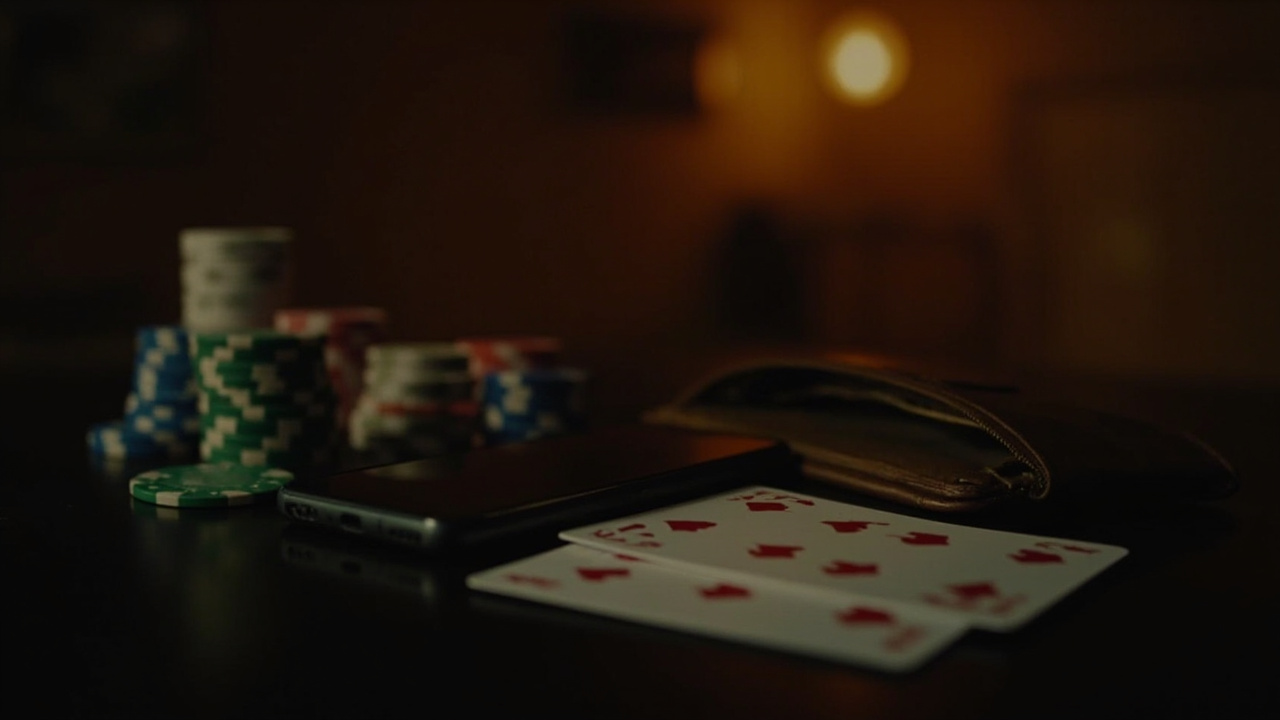
Every roulette table carries a printed payout chart, usually laminated and mounted near the rail so you can check it without leaning over the layout. The chart lists each bet type against its return, and the numbers never change regardless of the session or the casino. A straight-up bet on a single number pays thirty-five to one, while a split covers two numbers at seventeen to one. The board is laid out so the outside bets sit along the edges and the inside bets fill the numbered grid, which makes it easier for the dealer to spot winning chips at a glance.
When you’re placing chips, the payout you see on the chart is the gross return including your original stake, not just the profit on top. That distinction matters because players sometimes count the profit and forget the stake is already embedded in the declared payout. On my floor, I’ve watched seasoned punters argue with a croupier over a dozen bet because they expected twelve to one profit instead of twelve to one total return. The chart clears that up instantly if you read it before you push your chips forward.
The layout also shows which bets are tracked by the dealer’s mouth and which are settled by the wheel alone. Outside bets like red or black, odd or even, and the three dozen sections are called out loud because they cover large portions of the table and settle quickly. Inside bets get handled by the dealer scanning the winning number and sweeping the losing chips before paying the winners, which is why a busy table can feel as chaotic as the Bunnings sausage sizzle queue at midday on a Saturday. Knowing which bets get called and which get scanned helps you keep your head in the game instead of guessing what the dealer just did with your stack.
How the dealer pays each bet type
The payout sequence on a live table follows a strict order, and the dealer’s rhythm is built around clearing losing chips first, then paying winners in the correct denomination. When the ball drops, the croupier calls the number, marks it on the layout, and sweeps the losing bets into the tray before touching any winning chips. That sweep is the moment most players miss, because the table is technically settled before any payout is handed out. If you’re watching your chips, you’ll see the dealer pull the losers first and leave the winners in place until the payout is counted.
Straight-up bets are the simplest to pay because the dealer takes your winning chip, multiplies it by thirty-five, and drops the correct colour and denomination back onto your number. A five-dollar chip on a single number returns one hundred and seventy-five dollars in chips, and the dealer will usually break larger payouts into manageable stacks so the table doesn’t run short on high-value colour. Split bets, streets, and corners follow the same principle with lower multipliers, and the dealer has to count the payout carefully because a rushed hand can short a player by a chip or two. I’ve trained dealers to double-check inside payouts before they leave the layout, because a mis-pay on a corner bet is the kind of error that turns a quiet session into a compliance issue.
Outside bets move faster because the payout is even money or close to it, and the dealer often pays several winning outside bets in one sweep. Red, black, odd, even, and the high-low bets all pay one to one, while the three dozen and the three column bets pay two to one. When a dozen hits, the dealer pays two chips for every one you wagered, and on a busy table that can mean a quick run of chip drops across multiple players. The dealer’s tray management matters here because a dozen payout can drain the even-money colour if the croupier doesn’t break the payout correctly, and that’s where a floor supervisor steps in to re-stock the table before the next spin slows things down.
Some tables also run call bets or announced bets, where a player verbally places a wager on a pattern of numbers and the dealer lays the chips in a specific arrangement. Those bets carry the same payout structure as the equivalent inside bets, but the dealer has to recognise the pattern and pay it correctly without relying on the printed chart. If you’re playing a call bet, you’re trusting the croupier’s knowledge of the layout as much as your own read of the board, which is why I always tell new players to keep call bets simple until they know the table’s pace. The payout doesn’t change, but the way it’s delivered does, and that’s where a clear table rhythm saves confusion.
- Straight-up bets pay thirty-five to one and are settled by the dealer counting the winning chip and dropping the full payout onto the number.
- Split, street, and corner bets pay lower multipliers and are handled the same way, with the dealer sweeping losers first and then paying the winner in the correct denomination.
- Outside bets such as red, black, odd, even, and the high-low range pay one to one, while dozens and columns pay two to one.
- Call bets follow the same payout maths as their equivalent inside bets, but the dealer must recognise the pattern and pay it without leaning on the printed chart.
Matching the payout structure to your play style
The payout table is the same for every player, but the way you use it depends on whether you’re chasing a single big hit or trying to stretch a session across a few spins. A straight-up bet gives you the highest multiplier on the board, but it also covers the smallest slice of the wheel, so the return is lumpy and the losing streaks are longer. That style suits players who want a clear target and don’t mind watching their chips disappear between hits, provided they’re betting within a limit they’re comfortable losing. On my floor, I’ve seen players burn through a session trying to force a single-number hit without adjusting their stake, and that’s where the payout maths bites harder than the wheel itself.
Outside bets flatten the payout curve because the return is lower but the hit rate is higher, which makes the table feel steadier and the chip stack easier to track. A one-to-one bet doesn’t build a stack quickly, but it also doesn’t vanish in a single spin, so players who want a longer run often gravitate to the edges of the layout. The dozen and column bets sit in the middle, offering a two-to-one return with a broader coverage than a single number but a smaller hit rate than even-money bets. If you’re trying to understand how roulette payouts work in practice, that middle ground is where most players find a rhythm that matches their bankroll without chasing extremes.
The dealer’s payout rhythm also affects how a session feels, because a busy table with fast sweeps and quick payouts can make even-money bets feel brisk while inside bets feel slower to settle. I’ve supervised tables where the croupier’s pace changed the whole mood of the game, and players who preferred a calmer session would shift to the outside bets just to keep the flow predictable. That’s not a strategy so much as a fit, because the payout structure doesn’t care how fast the table runs, only how the chips are counted and returned. If you’re choosing where to place your chips, match the payout to the kind of session you want, not to the last number that hit.
Thomas Edwards, Risk and Integrity Manager, Boomerang Gaming Insights, has noted that payout clarity is one of the simplest ways to reduce player confusion on a busy floor, because a table that pays consistently and calls its bets clearly keeps the session readable from the rail. His view is that the payout structure itself is fixed, but the way a table communicates it can make the difference between a player who understands their return and one who leaves arguing about a chip count.
What to watch after the spin settles
Once the dealer has paid the winners and cleared the table, the session isn’t really over until you’ve checked your own chip count against what you expected to receive. The payout chart tells you the return, but the actual chips in your hand are what matter, and a quick count before you push forward for the next spin saves a lot of confusion later. If a payout looks short, the right move is to ask the dealer to recount before the next ball drops, because once the table moves on, re-checking a past spin gets harder and the dealer’s tray has usually changed. I’ve always told players that a calm recount is better than a loud complaint, because the dealer can re-set the payout faster when the table is still settled.
The table’s chip denominations also affect how payouts feel in your hand, because a high-value colour can make a thirty-five-to-one return look smaller than it is if you’re used to counting in lower denominations. A five-dollar chip on a straight-up bet returns one hundred and seventy-five dollars, but if the table is running mostly twenty-five-dollar colour, the payout stack looks different and the chip count matters more than the dollar figure. That’s why I encourage players to learn the table’s colour breakdown before they commit to a stake, because the payout maths is the same but the physical chips can throw off your read if you’re not watching the denomination.
Verification and account checks don’t change the payout structure on the felt, but they do affect how you move money in and out of a session, and that’s a separate piece of the same picture. If you’re playing at a venue that also runs digital account features, the payout on the wheel is still fixed, but the way you fund the table, track your balance, and close out the session depends on the cashier flow and the verification steps the operator requires. That’s where a responsible gaming lens matters, because a player who understands the payout on the wheel but ignores the account limits and verification flow is only half-reading the game. The wheel pays what it pays, and the rest is about keeping your money and your session in the same frame. doghousemegawaysdemo.net
The payout structure on a roulette table is fixed, readable, and settled in a set order every spin, which means the real skill is in reading the chart, watching the dealer’s sweep, and matching your bets to the session you actually want. If you keep your stake within a limit you’re comfortable with, count your chips after each payout, and ask for a recount before the table moves on, you’ll understand the return far better than players who chase the last number and ignore the felt. That’s the practical side of how roulette payouts work, and it’s the part that stays useful long after the wheel stops.


